
How to Maintain Your Rental Property

Owning and maintaining a rental property requires attention to detail and a clear understanding of your responsibilities as a landlord. Proper maintenance not only ensures your property stays in good condition but also helps maintain a positive relationship with tenants and keeps your investment protected.
Regular maintenance can prevent costly repairs, preserve the value of your property, and make it more appealing to prospective tenants when advertising the property.
This article will discuss your key responsibilities as a landlord when it comes to property maintenance. By understanding these responsibilities, you can create a clear maintenance plan and keep your rental property in top condition.
A Landlord’s Responsibilities for Property Maintenance
As a landlord, you are responsible for ensuring your rental property is safe, livable, and compliant with local housing laws. This includes maintaining the structural integrity of the building, keeping plumbing and electrical systems functioning, and ensuring the property is clean and free of hazardous conditions.
One of the first tasks on your maintenance checklist should be ensuring the property is safe. This includes regular inspections of the roof, walls, floors, and foundation. It’s essential to repair any damages or safety hazards, such as loose railings, broken windows, or leaks.
Keeping the property structurally sound can prevent more serious issues in the future and make the home more comfortable for tenants.
You are also required to maintain the plumbing and electrical systems in good working order. If something goes wrong with these systems, it’s crucial to respond quickly to avoid causing serious inconvenience to your tenants.
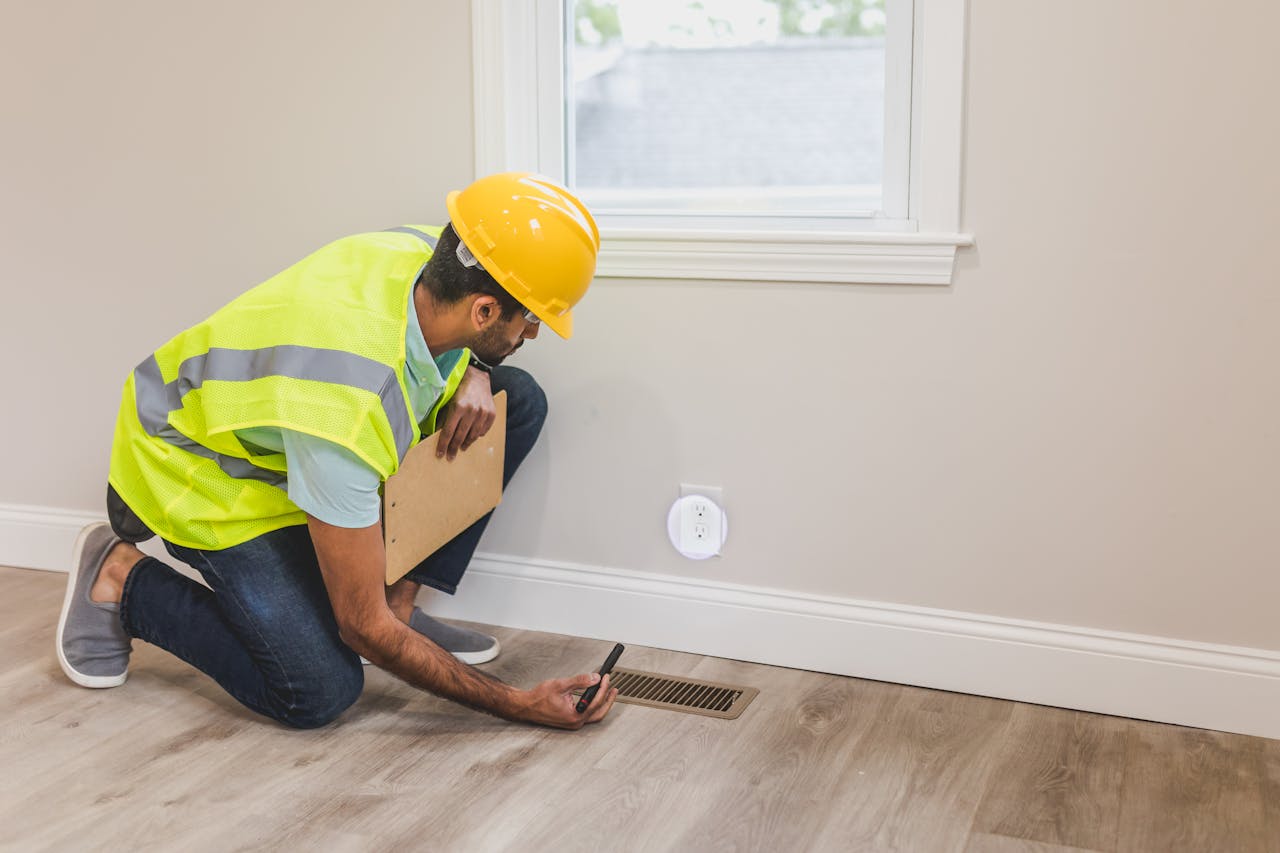
Regular checks of HVAC systems, water heaters, and appliances are also part of your duty. Promptly addressing issues with heating, cooling, or water supply can help maintain a positive relationship with tenants and avoid potential legal problems.
Property Maintenance Legal Obligations for Tenants
Tenants also have legal obligations in maintaining the property they rent. While landlords are primarily responsible for major renovations and upkeep, tenants are expected to take care of the property in a way that prevents unnecessary wear and tear.
This includes keeping the property clean and reporting any issues that could lead to further damage, such as plumbing problems or electrical malfunctions.
Most rental agreements will specify the tenant’s responsibilities, which typically include keeping the property clean, disposing of trash properly, and maintaining any outdoor areas like lawns or gardens.
In some cases, tenants may be required to change light bulbs, replace air conditioning filters, or keep appliances in good working order. It’s important to have these responsibilities clearly outlined in the lease agreement to avoid misunderstandings.
Additionally, tenants are expected to report any issues that may affect the safety or functionality of the property.
For example, if a tenant notices a leaky roof or a broken appliance, they should notify you as soon as possible so that repairs can be made promptly. Failing to report problems can lead to further damage that may have been preventable.
Additional Opportunities for Maintenance
While your primary responsibility as a landlord is to maintain the property’s safety and livability, there are additional maintenance opportunities that can enhance the value of your rental property. Regular property upgrades and improvements can attract higher-quality tenants and even allow you to increase rent in the future.
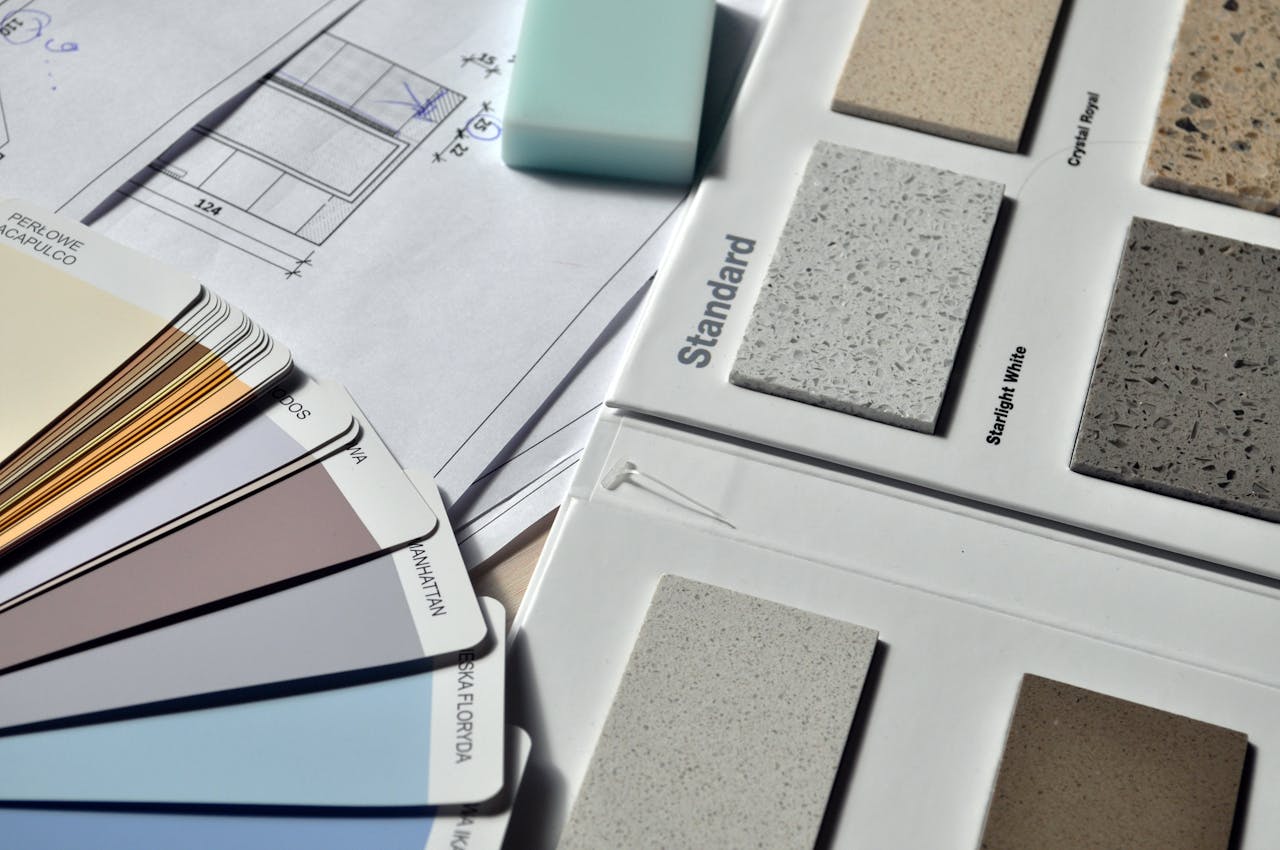
One such opportunity is to keep the property aesthetically appealing. This includes regular painting of the interior and exterior, maintaining landscaping, and updating fixtures or appliances that may have become outdated.
These small improvements can make your property more appealing to prospective tenants and can prevent vacancies. Tenants are more likely to take care of a property that is well-maintained and looks inviting.
Another important opportunity is implementing energy-efficient upgrades. Installing energy-efficient appliances, adding proper insulation, and upgrading windows can lower utility costs for both you and your tenants.
This not only benefits the environment but can also make your property stand out in a competitive rental market. Tenants often appreciate properties that help them save on utility bills.
Regular inspections are another opportunity to spot minor issues before they become major problems. Scheduling periodic visits to the property allows you to check for any signs of damage, such as water leaks, mold, or pest infestations. By addressing these issues early on, you can prevent more costly repairs down the line.
Illegal Maintenance Requests
While it’s important to maintain the property, there are certain maintenance requests that are illegal or unreasonable to ask tenants to handle. Landlords must be cautious when requesting maintenance work from tenants, especially when it involves tasks that fall outside the scope of their responsibilities.
For example, landlords should never ask tenants to perform repairs on major systems like plumbing, electrical, or HVAC. These tasks should be handled by qualified professionals to ensure they are completed safely and in compliance with local codes.
Asking tenants to take on these types of repairs could expose you to legal risks if something goes wrong. Additionally, landlords cannot require tenants to pay for repairs that are considered the landlord’s responsibility.
While tenants may be expected to maintain the cleanliness of the property and report issues promptly, they should not be held financially responsible for major repairs or replacements, such as fixing a broken furnace or replacing a leaking roof.
It’s also illegal to ask tenants to handle maintenance work that violates health and safety regulations. For example, requesting tenants to clean or remove mold without proper precautions or asking them to handle hazardous materials could lead to legal trouble.
Bottom Line
Maintaining your rental property is a crucial part of being a landlord. By staying on top of repairs, addressing issues promptly, and ensuring the property is safe and livable, you can protect your investment and keep your tenants happy.
If you need assistance managing your rental property and ensuring it stays in good shape, consider working with a property management company such as ProActive Property Management.
We can help with everything from routine maintenance to handling tenant requests. Reach out today to learn how our strategy can benefit you and your investment!