
California Security Deposit Laws

For landlords, security deposit collection practices provide several key advantages. Nonpayment of rent is a common issue faced by landlords and is considered a breach of the lease agreement. If this happens, landlords are permitted to use the tenant’s deposit to recoup any unpaid rent.
In most cases, utilities are under the tenant’s name throughout the lease. If the tenant fails to pay, California’s security deposit laws allow landlords to deduct these costs from the deposit.
If a tenant abandons the property or breaks the lease early, landlords may need to deduct from the deposit to pay for the lost income.
While leases typically require tenants to return the property in its original condition, some tenants leave the rental unit in a less-than-acceptable state. In such cases, landlords are allowed to use the security deposit to pay for cleaning beyond normal standards.
The security deposit can also be used to fix damage beyond normal wear and tear, such as unauthorized paint, holes in walls, or broken tiles.
A Guide to California’s Security Deposit Law
Understanding California’s security deposit laws is crucial for both landlords and tenants. The California landlord tenant laws provide clear guidelines on how much can be collected, when it can be withheld, and how it must be returned. Below is a detailed breakdown of key provisions under California law:

1. California Security Deposit Limit
California law limiting security deposits sets a maximum security deposit limit of one month’s rent for most residential rental properties, however, there are specific exceptions where landlords can charge more than one month’s rent:
Two Months’ Rent: A landlord can collect a security deposit of up to two months’ rent if the following conditions are met:
- The landlord owns no more than two residential rental properties, with a total of no more than four rental units.
- The landlord is either the sole proprietor or operates through a limited liability company (LLC) where all members are natural persons (not corporate entities).
- The tenant must not be part of the state or federal military.
Waterbeds: Landlords may charge an additional half-month’s rent for tenants with a waterbed, along with a reasonable fee for administrative costs.
Mobile Homes: In any case, the security deposit for a mobile home cannot be more than two months’ rent.
The law limiting security deposits may differ from city to city. It’s important that landlords familiarize themselves with local city laws and regulations when outlining the terms of their security deposits. For example, in Pasadena, landlords are obliged to pay interest on a tenant’s security deposit.
2. Non-Refundable Fees
Under California law, all fees collected as part of a security deposit must be refundable. This means that landlords cannot charge non-refundable cleaning or pet fees.
Any money taken as part of the deposit must be returned to the tenant, minus allowable deductions, at the end of the lease. Non-refundable deposits are not permitted, and attempting to impose such a fee could result in legal consequences for the landlord.
3. Storing a Tenant’s Deposit in California
California doesn’t mandate landlords to keep security deposits in a separate interest-bearing account. There’s no legal requirement to store the deposit in a specific type of account.

Landlords aren’t obligated to pay tenants interest on the deposit while it’s being held. They should ensure the security deposit is safely stored and accessible when needed for refund or deductions.
4. Written Notice After Security Deposit Receipt
While California law doesn’t require landlords to provide tenants with a receipt for their security deposit, it’s good practice to do so.
Providing a written record of the deposit amount and the purpose of the deposit helps prevent future disputes. Additionally, landlords should clearly outline in the lease agreement the conditions under which the deposit may be withheld.
5. Reasons to Withhold a Tenant’s Security Deposit
Under California law, landlords are allowed to withhold part or all of a tenant’s security deposit for the following reasons:
- Unpaid Rent: A landlord can keep the security deposit to cover a tenant’s default in rent payments.
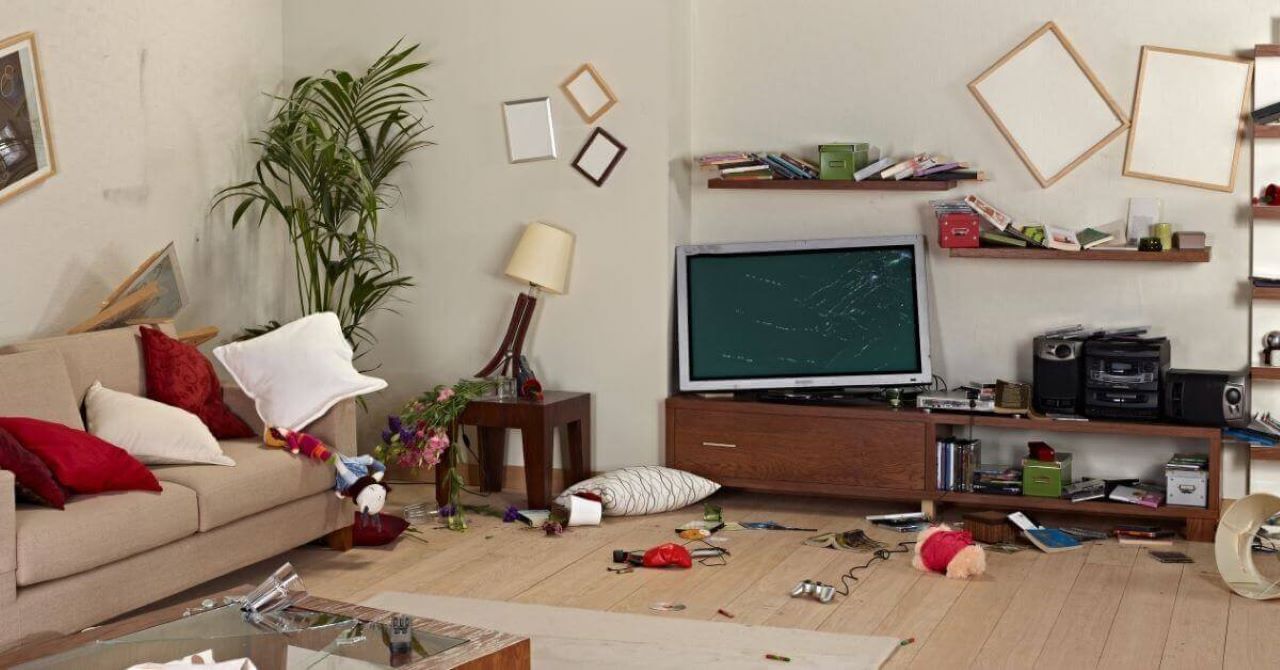
- Damages: The landlord may deduct costs for repairing any damages caused by the tenant, their guests, or licensees, beyond ordinary wear and tear.
- Cleaning: Landlords can withhold the deposit to cover cleaning costs necessary to return the rental unit to the level of cleanliness it was in when the tenant first moved in.
- Restoration of Property: The deposit may be withheld to cover the cost of restoring, replacing, or returning personal property or appliances that the tenant was responsible for under the lease, if outlined in the rental agreement.
These deductions must be documented, and landlords are required to provide an itemized statement to the tenant.
6. A Walk-Through Inspection
In California, landlords must provide tenants with the opportunity for an initial inspection before the lease ends. The process includes the following steps:
- Written Notice: Landlords must notify tenants of their right to request a walk-through inspection in a timely manner before the lease expires.
- Inspection Timing: If requested, the inspection must occur within the last 14 days of the tenancy, with the landlord giving at least 48 hours’ written notice.
- Damage Repair: During the inspection, landlords will identify any damage that may lead to security deposit deductions. Tenants can then repair these issues before moving out, provided the repairs adhere to the lease terms.
- Security Deposit Return: After the tenant vacates, landlords must return the security deposit within 21 days, minus any allowable deductions, and include an itemized list of damages, if applicable.
7. Security Deposit Refund in California
In California, landlords must return the tenant’s security deposit, minus any deductions, within 21 days of the tenant vacating the property. Along with the refund, landlords are required to provide an itemized statement detailing any deductions made for damages, cleaning, or unpaid rent.
Receipts for any repairs or cleaning charges that exceed $125 must also be provided. If the landlord cannot complete repairs within 21 days, they must give the tenant an estimate of the costs and provide receipts once the work is finished.
Failure to comply with this timeline can result in serious penalties for landlords, including being ordered to return the full deposit plus potential legal fees and damages.
8. Change in Property Ownership
When a rental property is sold in California, landlords have the option to transfer the tenant’s security deposit to the new property owner or return deposit to the tenant after deducting any allowable expenses for damages or cleaning.
Before the sale, landlords must provide the new owner with a written statement detailing the total amount of the security deposit (after deductions), an itemized list of any deductions made, and whether the deposit has been transferred or returned to the tenant.
Conclusion
Understanding the rules regarding security deposits helps ensure a smoother renting process and fosters a better landlord-tenant relationship. It is important to following these laws when managing security deposits in order to avoid security deposit disputes that may end up in small claims court.
For detailed guidance or if you have specific concerns, it’s advisable to consult with a professional property management company such as Proactive Property Management. We can provide valuable assistance in navigating security deposit regulations.
Disclaimer: Please note that the information provided in this blog is intended for general guidance and should not be considered as a replacement for professional legal advice. It is important to be aware that laws pertaining to property management may change, rendering this information outdated by the time you read it.